Forensic Medicine Organization seeks to enhance ties with ICRC
TEHRAN – Iran’s Forensic Medicine Organization has voiced its readiness to maintain and expand cooperation with the International Committee of the Red Cross (ICRC), with a focus on strengthening joint efforts in scientific, educational, and operational fields, alongside the provision of equipment.
Highlighting the need to strengthen cooperation between the two organizations, Mehdi Foruzesh, the deputy head of the Forensic Medicine Organization’s Crisis Management Division, said the organization was ready to expand collaboration with the ICRC.
He also emphasized the organization’s considerable capabilities, particularly its highly skilled personnel across various fields, including the identification of victims of crises and disasters, IRIB reported.
The official made the remarks at a ceremony marking the handover of essential supplies and equipment to Iran’s Forensic Medicine Organization by Maruf Kandikov, the ICRC representative.
He noted that joint workshops and exercises with regional countries would facilitate the exchange of expertise and strengthen crisis preparedness, including the cross-border transport of deceased bodies.
The official highlighted the high capabilities of the Forensic Medicine Organization in managing crises and mass gatherings like Arbaeen, saying that apart from regional cooperation, boosting collaborations with the ICRC could help develop predetermined mechanisms for the identification, documentation, and transportation of dead bodies in cross-border incidents, which would facilitate the return of the remains to their families.
He also underlined the challenges the organization encounters in procuring laboratory consumables because of coercive sanctions, noting that the ICRC can help overcome the problem by establishing a secure, transparent, and controllable channel.
The official further called for the establishment of a joint expert working group to coordinate and institutionalize cooperation between the two organizations and identify the Forensic Medicine Organization’s needs.
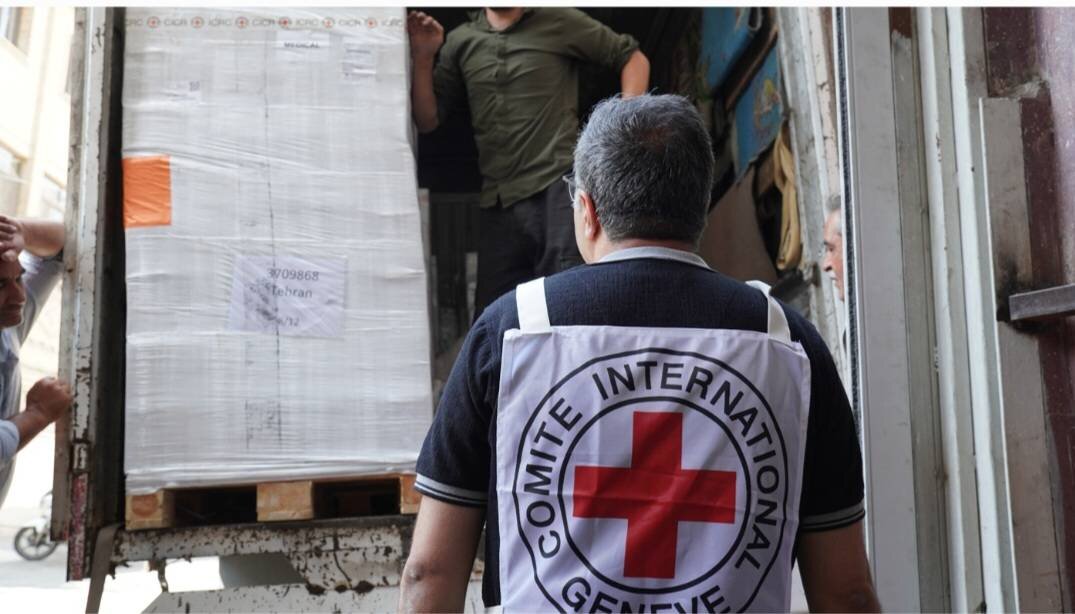
As part of its humanitarian mandate to strengthen humanitarian response capacities in Iran, the ICRC donated 12 tons of essential supplies and equipment to Iran’s Forensic Medicine Organization, the ICRC website announced in a press release on September 20.
The donated items include administrative, as well as technical items needed to support the organization’s work, particularly in the identification of people who have died in natural disasters or armed conflicts, while ensuring that they are treated with dignity.
For his part, Kandikov commended the Legal Medicine Organization’s work to ensure the dignity of the dead and expressed hope that the donation would further strengthen its capacity for identification and helping families establish the fate of their loved ones. He expressed hope for the expansion of cooperation with Iran’s Forensic Medicine Organization.
The ICRC’s humanitarian forensic work aims to ensure the dignified management of the dead, support the scientific identification of human remains, and help clarify the fate of people who have died or gone missing in conflicts and emergencies.
In Iran, the ICRC has worked with the Forensic Medicine Organization and other national institutions for about two decades, providing technical support, training and equipment for the identification and repatriation of remains from the Iran-Iraq War of the 1980s.
Its work has also expanded to strengthening preparedness for mass-fatality incidents, including training in forensic anthropology and the dignified recovery and management of human remains. At the heart of this work is helping families learn the fate of their loved ones while ensuring that the dead are treated with dignity.
Another aspect of the ICRC’s work in Iran is facilitating networking opportunities between national institutions and the international forensic community to promote the exchange of expertise, methodologies and good practices on the search for and identification of missing and deceased persons affected by conflict, emergencies and migration.
MT/MG
Leave a Comment